
BestAcademicCamps.com > How to Choose the Best Academic Camp
How to Choose the Best Academic Camp
BestAcademicCamps.com
Version 9.1
Finding the Best Academic Camp Begins with Finding the Best Fit
The best summer academic camp will not be the same for every child or teen. Some young people may want to strengthen specific skills, others may be excited to explore something completely new, and others may simply be looking for an engaging, social, and memorable summer experience.
That is why choosing a camp is about more than comparing activities or locations. Program focus, age and skill level, teaching style, staff, facilities, safety, schedule, cost, camp setting, and the overall atmosphere can all help determine whether a program feels like the right fit for a particular camper and family.
This guide is designed to help families look beyond the basics, compare different kinds of academic camps, ask useful questions, and narrow the possibilities with greater confidence.
Academic Camp... Ten Good Reasons: Be sure to check out our new article Top Ten Reasons to Go To Academic Camp in 2026-27.
Start with Your Goals
What do you want from your Academic camp experience? Before you begin comparing programs, think about what matters most for your camper. Are you looking for skill development, new experiences, a challenge, social growth, confidence building, or simply a fun summer experience?
Many Summer Academic Camps for Teens offer advanced, immersive, or even intensive programs. It is always a good idea to ask each camp specifically about the level of instruction, pace, and expectations so you know exactly what kind of experience to expect.
International Academic Camp Parents & Campers: There is a special section in our Summer Academic Camp Guide with information and advice for international campers and parents who would like to attend a U.S. or Canadian summer academic camp. Please read on for more details below.

Choose the Kind of Academic Camp Experience That Fits Best
Academic Camps can be much more than summer classes. Some give kids and teens the freedom to explore several interests before deciding what excites them most. Others offer a deeper experience in a subject they already love. A good starting point is not simply asking, “What should they study?” but “What would they genuinely be excited to explore?”
Broad exploration and enrichment programs may introduce several subjects during the same session. These can be a good fit for curious kids and teens who enjoy discovering new ideas but are not ready to choose one specialty.
Business, entrepreneurship, and marketing programs may invite participants to develop a startup idea, create a product or service concept, explore branding and communications, understand basic business decisions, or present an idea to a group. Ask how much of the experience involves actually creating something rather than simply listening to lectures.
Writing, journalism, and communications camps may include creative writing, reporting, interviewing, research, storytelling, publishing, public speaking, and other ways of developing and sharing ideas. Some programs emphasize individual writing while others build projects around collaboration, discussion, or presentation.
Political science, debate, government, and global-studies programs may explore public issues, international relations, persuasive communication, model government, cultures, policy questions, or different points of view. Look for programs that encourage thoughtful discussion, research, respectful disagreement, and evidence-based reasoning rather than promoting one particular political viewpoint.
Media, content creation, and creator-focused programs may introduce video production, podcasting, photography, digital storytelling, audience development, branding, and the planning behind a YouTube, TikTok, or other digital channel. Ask what students will actually create and how camps handle equipment, accounts, privacy, online publishing, and age-appropriate supervision.
Career and future-path exploration programs may provide introductions to medicine, law, psychology, architecture, economics, business, communications, design, and other professional fields. These experiences do not have to determine a future career. Their value may simply be giving a young person enough exposure to say, “This is fascinating — I want to learn more.”

Innovation, design thinking, and project-based programs may ask students to identify a problem, develop ideas, build or model a solution, test it, make changes, and present what they learned. The finished project matters, but so does the process of questioning, experimenting, revising, and working through unexpected results.
Science, technology, and broader STEM experiences often overlap naturally with Academic Camps. If scientific investigation in biology, chemistry, physics, astronomy, earth science, or environmental science is the primary interest, families may want to explore BestScienceSummerCamps.com. For coding, AI, cybersecurity, robotics, game development, digital creation, and other technology-centered programs, visit BestTechCamps.com.
Mentors can be as important as the subject. Depending on the program, young people may learn from teachers, professors, writers, journalists, entrepreneurs, researchers, professionals, graduate students, creators, or other subject specialists. Ask who will actually work with participants each day, what experience they have with the subject and age group, and how much opportunity students have to ask questions and receive individual guidance.
Beginner-friendly and advanced programs can feel very different. Some Academic Camps are designed primarily for discovery and welcome students with little previous experience. Others may expect substantial background knowledge, advanced skills, independent work, portfolios, applications, or prerequisites. Neither approach is automatically better. The important question is whether the challenge matches the student's readiness and enthusiasm.
The setting can shape the experience almost as much as the subject. Academic Camps may operate as local day programs, overnight camps, university-campus sessions, destination programs, travel experiences, museum or cultural programs, and outdoor field-based camps. A student who enjoys learning through exploration outside may prefer a very different program from someone excited about working in a studio, newsroom, seminar, business workshop, or university setting.
Some outdoor Academic Camps naturally overlap with adventure programs. When hiking, expeditions, wilderness skills, paddling, climbing, or other outdoor challenges are the main purpose of the experience, BestAdventureCamps.com may provide a better starting point.
Academic programs may also help participants practice initiative, communication, teamwork, and confidence, but when leadership development itself is the central purpose of the program, families can explore BestLeadershipCamps.com.
Above all, look for an Academic Camp that makes a young person want to keep exploring. The best outcome may be a new skill, a finished project, a stronger interest in something they already love, or the unexpected discovery of a passion they had never considered before.
How to Choose the Best Academic Camp
Our new "How to Choose the Best Academic Camp" video guide is coming soon. Check back for practical tips on comparing program focus, mentors, learning style, day and overnight formats, campus and outdoor experiences, costs, safety, and the factors that can help families find the right Academic Camp.

Continue below for more practical tips on researching camps, comparing programs, evaluating staff and facilities, considering costs, and finding the best overall fit.
Research the Camp Carefully
Start with the camp website: Almost every academic camp has its own website, or at least a dedicated page on a larger site. You should be able to find useful information there, including camp programs, session dates, location, and contact details. As you read, write down any questions that come to mind so you can follow up later.
Many camps also maintain Facebook or social media pages. These can be useful for photos, updates, testimonials, and a better sense of the camp’s style and community.
Call the camp: Once you have reviewed the website, create a short list of questions that still need answers and try to speak with someone directly. Even in the age of email and live chat, talking with a real person can tell you a lot about the camp’s professionalism, warmth, and responsiveness. If possible, ask whether you can speak with a previous camp parent or camper as a reference.
Camp location: It is easier than ever to explore a camp’s surroundings with Google Maps and other mapping tools. This can help you understand the camp’s setting, nearby services, and the surrounding environment.
Camp weather: Look up the camp’s location and check average summer temperatures, rainfall, storm patterns, and humidity. If your camper has allergies, you may also want to ask about pollen, vegetation, and mold.
Camp history: A long history can be reassuring, but it is not everything. Every great camp had a first season. Look for signs of thoughtful planning, strong leadership, and a good reputation.
Facilities, Staff, and Safety
Camp facilities: Camps vary widely. Some are intentionally rustic and outdoors-focused, while others offer specialized activity spaces, studios, technology, and more comfortable accommodations. Families should think about what kind of environment their camper will both handle well and enjoy.
If you are considering a special interest camp, it is also important to ask about specialized facilities, tools, and equipment used for instruction.
Academic camp staff and their experience: Always ask about the experience level of the staff who will work directly with your camper’s age group or program area. In the case of specialized camps, it is helpful to know whether instructors have both subject-matter knowledge and real camp experience.
Camp safety: Ask how the camp handles emergencies, illness, injuries, supervision, and communication with parents. You may also want to ask whether staff are trained in CPR and first aid, and whether a camp nurse or on-call medical professional is available.
Academic camp certifications & awards: Ask whether the camp is accredited, whether it has received special recognition, and what certifications staff may hold.
Cost, Scholarships, and Special Situations
Academic camp scholarships, financial aid, and camperships: Many camps offer full or partial scholarships, camperships, or other financial aid. These programs are not always highlighted prominently, so it is worth asking directly. In addition, some independent organizations offer summer camp financial assistance.
International Academic campers: Many U.S. and Canadian summer academic camps now accept international campers and may also employ international staff. Families should ask whether the camp has experience working with international campers, whether any special accommodations are offered, and whether they can speak with parents of previous international campers.
Special needs campers: Many camps now offer programs for special needs campers. Parents should talk in depth with each camp to make sure it offers the right staff, facilities, and program structure for their child’s needs.
Daily Life at Camp
Camp food: Food matters. Ask whether meals are nutritious, how often hot meals are served, and whether the camp can handle allergies, food sensitivities, religious requirements, or other dietary needs.
Special Academic camp programs: Unique traditions and special activities often make camps memorable. These might include showcases, family events, performances, field trips, late-night activities, special theme days, or other signature experiences. Ask what makes each camp distinctive.
A typical camp day: Ask what a normal day looks like, including how much time is structured versus flexible, when meals are served, what happens in the evenings, and what weekends are like for overnight campers.
Testimonials, Packing, and Final Questions
Previous camper and camp parent testimonials: Camp websites and social media pages often include testimonials, but these are naturally selective. It is still a good idea to ask whether you can speak with or email a former parent or camper as a reference.
What to bring to summer camp: Always confirm exactly what campers should bring, and what they should leave at home. Most camps provide packing lists on their websites.
For example, some camps now allow eReaders or tablets, while others do not. If digital cameras are allowed, you may want one that also records video and can handle outdoor conditions.
We have put together a collection of useful camp items on our official Academic camp store page if you would like to take a look.
Final Thoughts
The best summer academic camp is the one that feels like the best fit for a particular child or teen and their family. Taking time to compare programs, ask thoughtful questions, understand the camp environment, and consider what matters most to your family can make the decision easier and the experience more rewarding. For many kids and teens, a well-chosen summer camp can become one of the most memorable parts of the year.
Looking for Other Types of Camps?
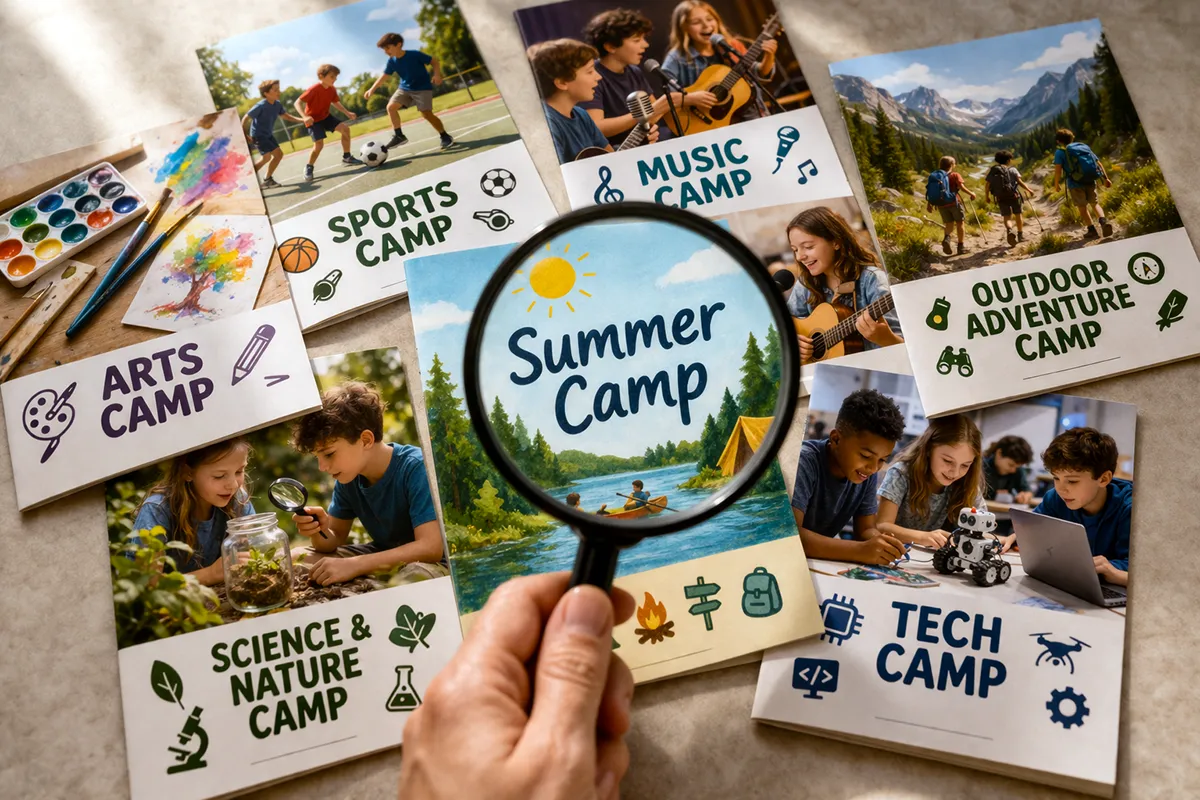
Academic Camps can cover an unusually broad range of interests. When a child or teen already has a strong specialty in mind, one of our more focused directories may provide a better place to continue exploring.
©TheBestCamps.com - ALL RIGHTS RESERVED.
ACADEMIC CAMP OWNERS & DIRECTORS: If you would like to submit your camp for listing in our 2026-27 Best Summer Academic Camps Directory, please click on the "SUBMIT YOUR CAMP" link above.
In addition to our 2026-27 Summer Academic Camps Directory we have also created quite a few SPECIAL INTEREST CAMP DIRECTORIES, and have included brief descriptions of these and links to their dedicated websites on the 2026-27 CAMP GUIDE page.
You can go directly to any of our other 2026-27 Special Interest Camp Directories from the list in the black bar at the bottom of this page.
HOME | SUBMIT YOUR CAMP | FIND A CAMP | 2026-27 CAMP GUIDE
Top Ten Reasons to Attend Academic Camp

